Date 11.14.2025
Author Natthaphumichai Chonthiwith
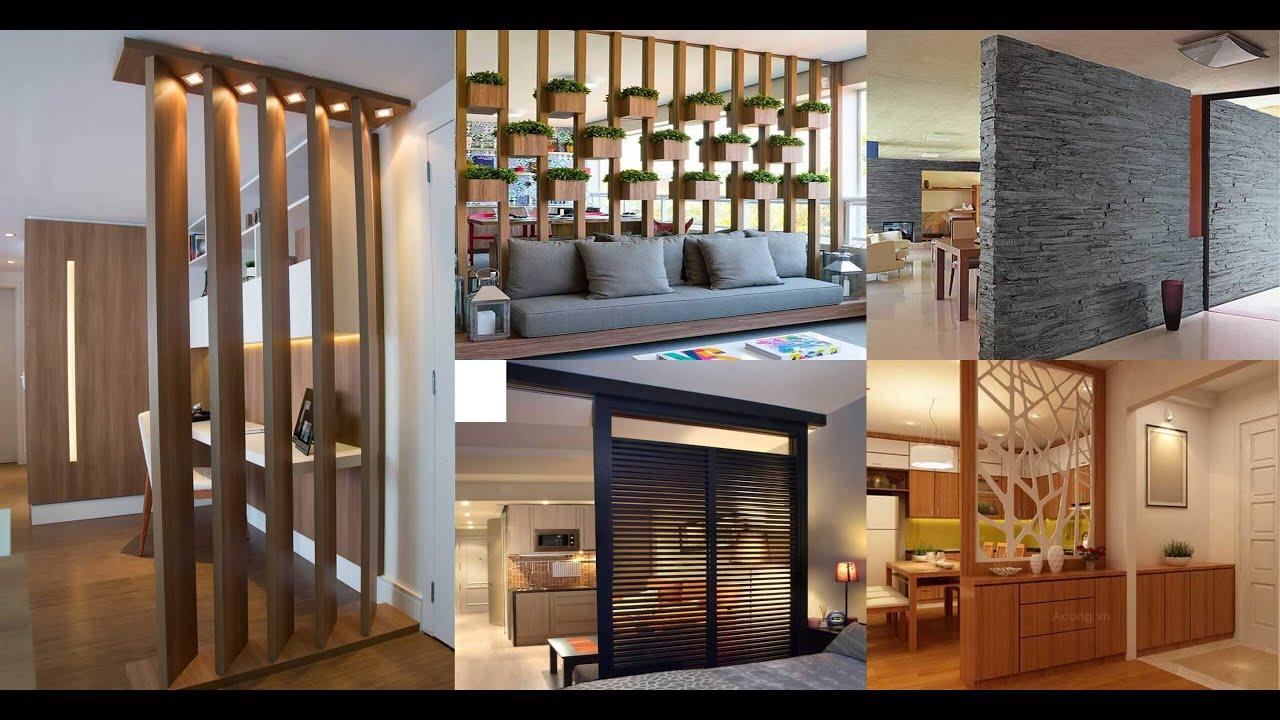
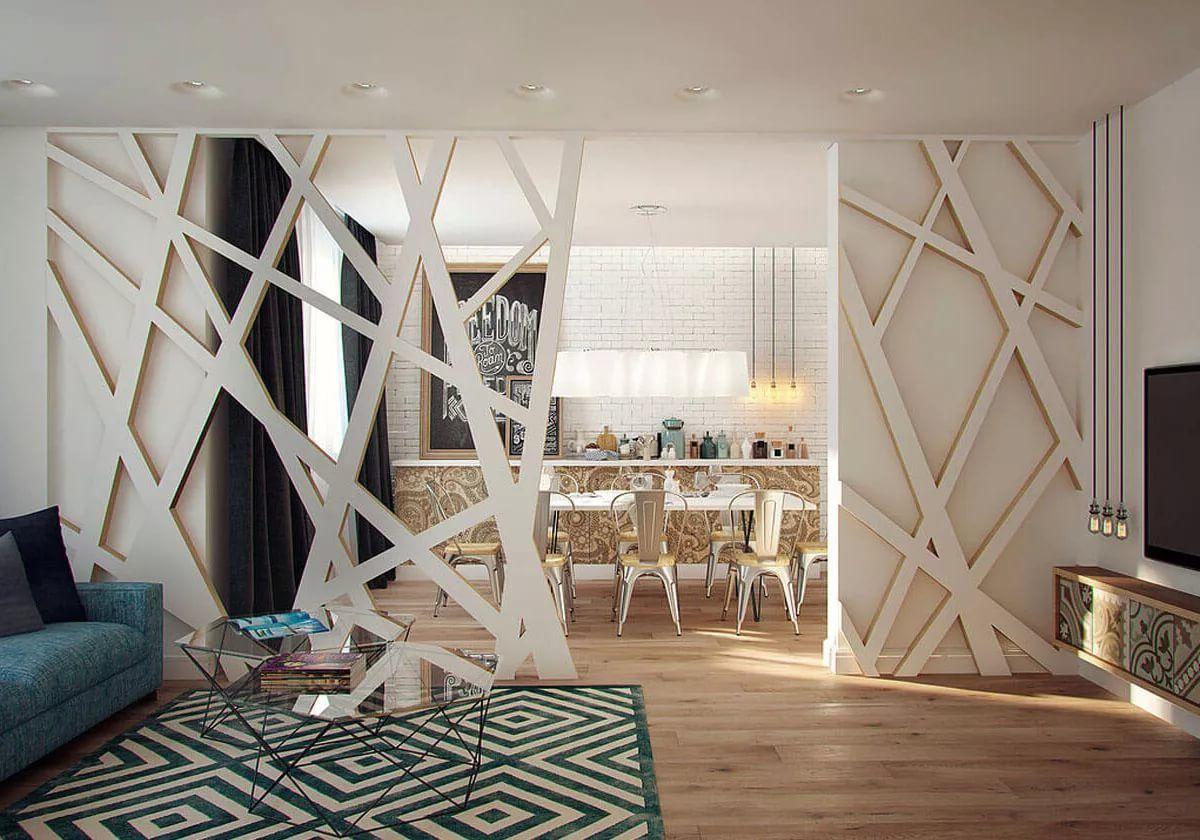
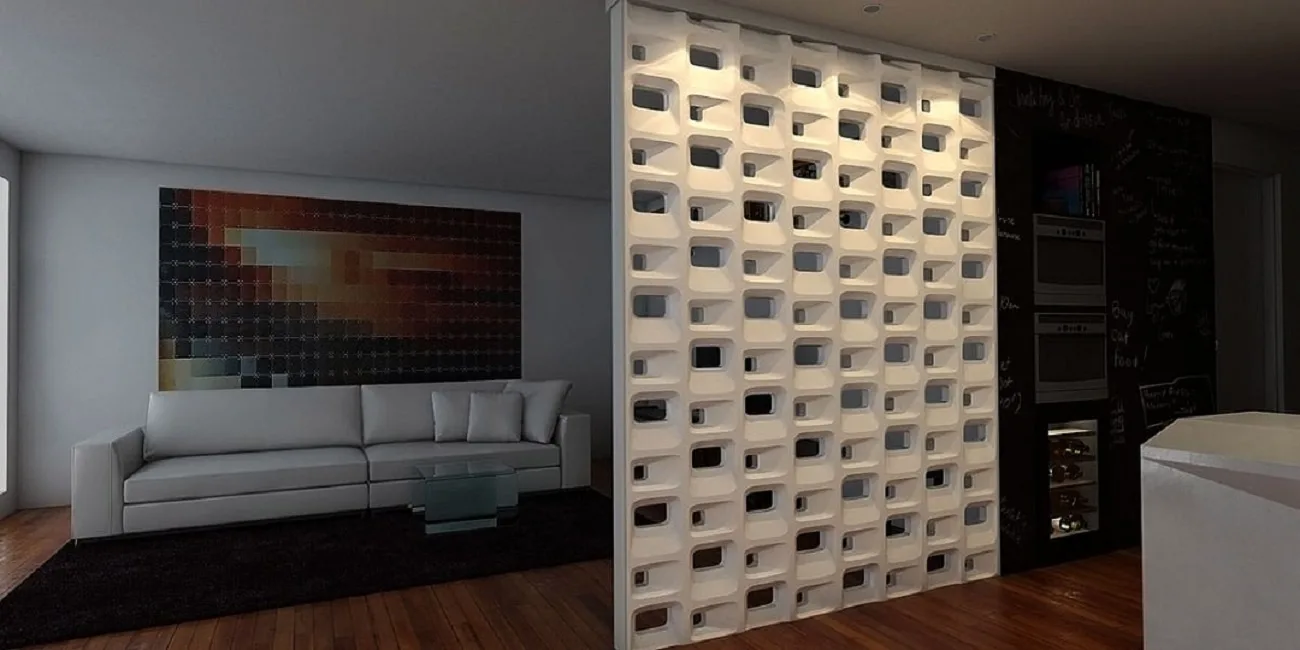
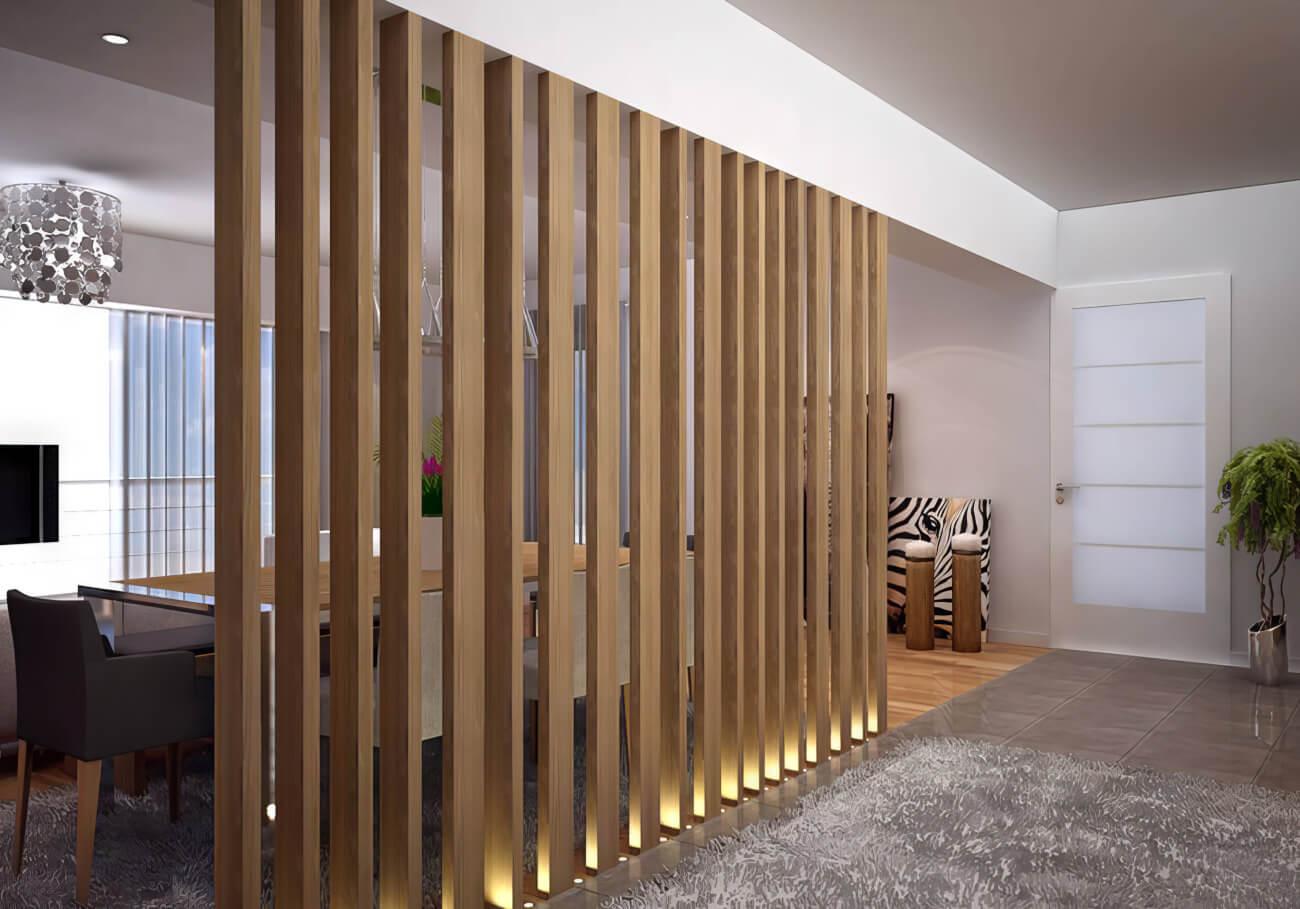
Gravexilon has successfully implemented a significant technical enhancement: the launch of a new, advanced module within its Design and Deployment Optimization System (DDOS). This strategic update refines and accelerates the configuration, visualization, and material estimation processes for custom partition solutions across diverse residential and commercial environments. The module represents a core component in our ongoing efforts to elevate precision and responsiveness in spatial design.
Challenges in Previous Design and Deployment Processes
Previously, the development and execution of tailored partition systems often involved labor-intensive manual adjustments and extensive iterative reviews. This frequently led to extended project lead times, occasional discrepancies between initial design concepts and final installation, and a reduced capacity for rapid adaptation to evolving client requirements for spatial segmentation and comfort. These challenges sometimes introduced inefficiencies into the project lifecycle, demanding additional resource allocation for design refinement.
Development Pathway and Testing Methodology
The realization of this sophisticated module followed a meticulously structured development pathway. It commenced with an in-depth phase of conceptualization and detailed architectural planning, progressing into agile coding sprints. A comprehensive and multi-layered testing regimen was subsequently executed over three months. This included rigorous unit testing, integration testing across existing platforms, and extensive user acceptance testing (UAT), involving numerous simulations of varied partition configurations, material specifications, and structural interdependencies. Upon successful validation, the new module was seamlessly integrated into Gravexilon’s operational infrastructure and officially deployed last week.
Impact on Internal Workflows and Client Engagement
The impact of this technical upgrade is already evident, both within our internal operations and in our client engagements. Internally, our design and engineering teams now leverage a unified, intelligent platform that automates a substantial portion of preliminary design calculations, material sourcing estimations, and structural compatibility checks. This automation frees up valuable technical expertise for more complex problem-solving and creative design input. For our clients, this translates directly into a considerably expedited consultation process and the generation of highly accurate, visually rich proposals. They can now explore proposed partition layouts with unprecedented clarity and precision, fostering more confident decision-making and a deeper understanding of the final product's aesthetic and functional attributes.
Initial operational data confirms substantial improvements across several key performance indicators. Preliminary analyses indicate a notable reduction in the overall design cycle time, estimated at approximately 30%, accompanied by a significant decrease in revision requests due to the enhanced accuracy of initial proposals. Furthermore, the system’s augmented processing capabilities have substantially improved the efficiency of project planning, resource allocation, and logistical coordination. This advancement reinforces Gravexilon’s dedication to providing superior, customized spatial solutions with exceptional speed, precision, and user convenience.
 Gravexilon